Categories:
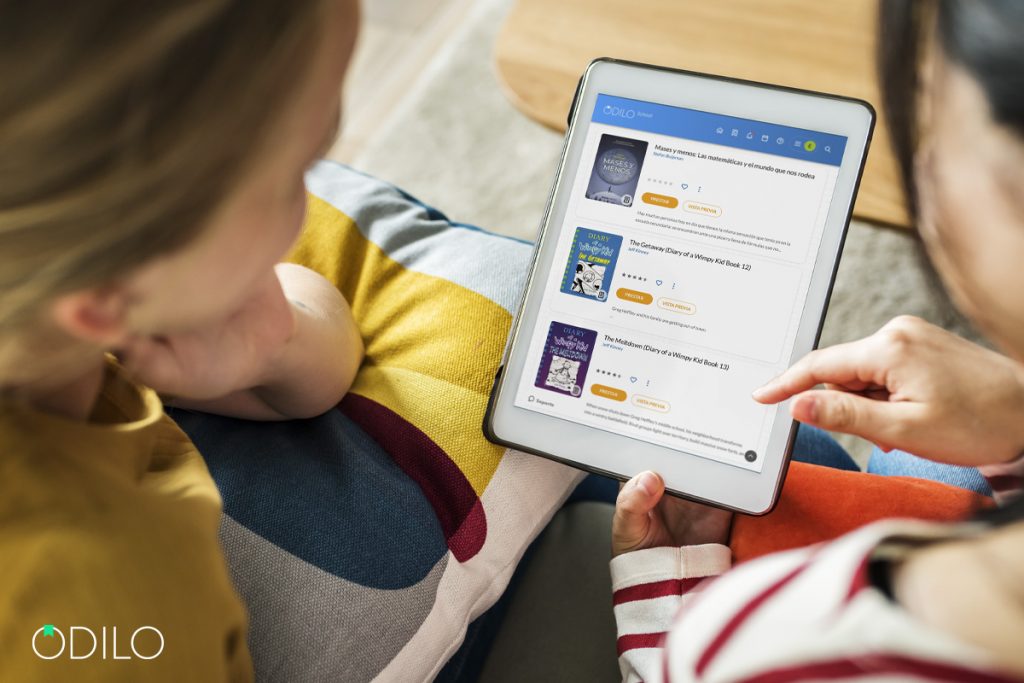
In recent weeks, we have seen a resurgence in the debate surrounding the use of smart devices and digital screens in education.
In this context, Ainhoa Marcos, VP Education Spain at ODILO, the Spanish edtech company specializing in the creation of Unlimited Learning Ecosystems, believes that:
- “It is important to distinguish between the use of technological devices for educational purposes and their use for leisure. While it is true that the use of cell phones in the classroom for non-educational activities can be distracting and detrimental to learning, other devices such as tablets and computers offer a unique opportunity to transform the educational process and prepare students for an inevitable digital future.”
- “The debate should not focus on whether to use screens as an end in themselves. These devices are always a tool for achieving the educational and/or curricular objectives proposed by the educational community. With this starting point, the use of screens is not bad per se, and it is necessary to be aware of the content and pedagogical methods with which they are fed in order to determine whether they are really a tool that enhances learning.”
It also points out that:
- “International organizations such as UNESCO and the OECD recognize the value of using smart devices and technology for educational purposes, multiplying the possibilities and training resources that teachers use to teach their students. Videos, animations, and simulations, among other materials, enrich the training process, facilitating the work of teachers and, therefore, student learning.”
- “Under no circumstances are these devices intended to replace the work of the teacher. They are an ideal complement to classroom lessons, with a view to achieving an experiential component that is necessary in all aspects of people’s lives. They also provide a window into the digitization of the classroom, allowing access to a wider range of content and adapting these resources to the needs and learning styles of each student, advancing educational personalization as a driver for improving the assimilation of curriculum content.”
- At ODILO, we believe that educational innovation is not only a matter of technology, but also of access, equity, and continuous training. That is why we are committed to ensuring that all teachers, students, and families have access to quality content that allows them to develop their full potential.
ABOUT ODILO
ODILO is a digital education company that allows any organization to create its own Learning Ecosystem, offering its users unlimited access to the world’s largest catalog of multi-format educational content. It also offers the possibility of creating all kinds of learning experiences without restrictions. More than a thousand platforms have already been created, allowing access to 170 million users on five continents.
ODILO, the world’s largest educational ecosystem, has content agreements with over 7,300 providers of digital educational content in all formats (courses, interactive applications, videos, podcasts, newspapers, magazines, audiobooks, books, etc.).