
Categories:
- These leaders transform strategic sectors by driving decisions and projects that redefine how companies and organizations operate.
Published by El Español
In Europe, more women are accessing positions of responsibility, but full equality is still far off. According to data from Eurostat, the statistical office of the European Union, in 2024, 35.2% of management positions in the EU were held by women, with figures exceeding 40% in countries like Sweden, Latvia, and Poland, although some countries show setbacks in certain age groups.
Their valuable contribution to sustainability, innovation, and the development of strategic solutions is gaining momentum, especially in sectors such as science, technology, and education, where their leadership is beginning to make a difference in how key projects are designed and managed.
Global studies have shown that companies with greater gender diversity on their management teams tend to obtain better results not only financially, but also in sustainability and governance metrics, reinforcing the importance of having diverse voices in decision-making.
Within this context, female leaders are occupying key roles in ESG strategies, which are a set of criteria used to evaluate how a company manages its environmental, social, and governance impact.
The environmental component analyzes aspects such as emissions, energy use, or resource management; the social component focuses on issues such as working conditions, diversity, inclusion, and community impact ; and the governance component evaluates transparency, business ethics, and the way the organization is run.
According to the international organization GreenBiz, a benchmark in corporate sustainability, female leadership is gaining weight in corporate strategies linked to environmental and social impact.
According to its 2024 report, 63% of people holding executive sustainability positions in large global companies are women, a trend that reflects their growing role in defining ESG policies within organizations.
Despite progress, challenges persist; recent data indicates that, although women hold more management positions than a decade ago, global parity in formal business will still not be reached before 2050 at the current rate of change.
From ENCLAVE ODS we present a list highlighting figures such as female executives who integrate sustainability into business management, and project leaders who reduce environmental footprints. Others promote equal opportunities and foster inclusive work environments.
Their trajectories are examples of the progress required in organizations to meet current global challenges. The growing presence of female executives in ESG strategies is not only a matter of social justice, but a key piece in facing environmental and social challenges.
María Cruz Díaz
She is the president of the Engineering Institute of Spain, promotes soil sustainability and innovation in agriculture, boosts female visibility and leadership in STEM, and leads key institutions in engineering and professional governance.
Sarah Harmon
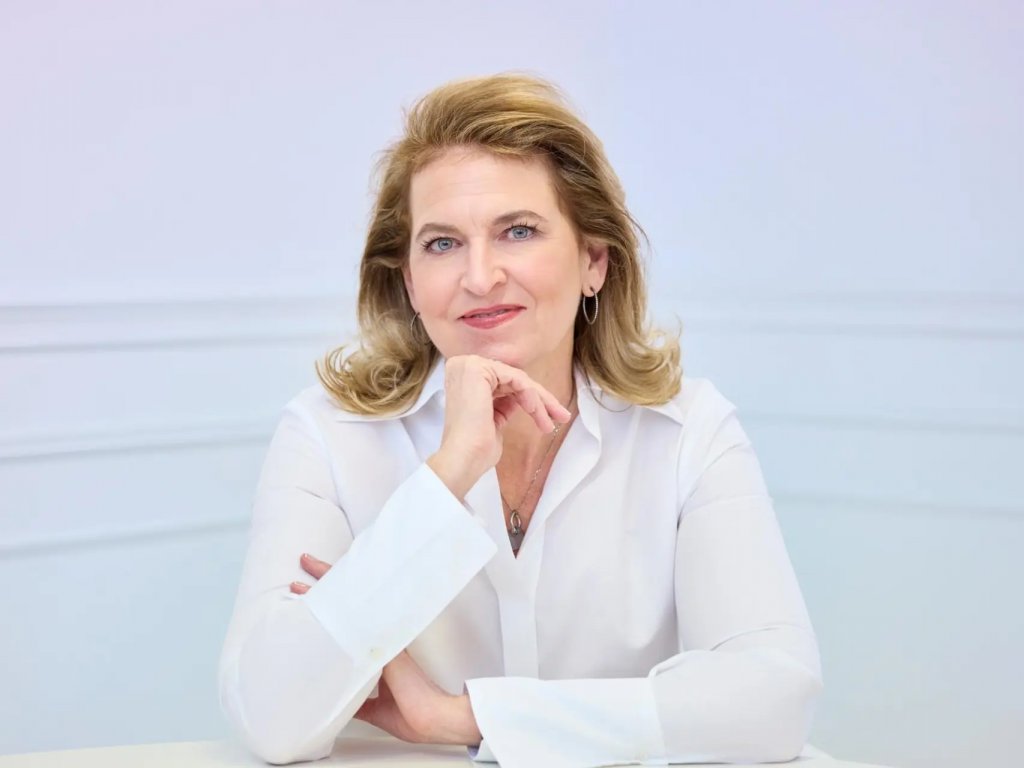
She is the general manager of ODILO, driving technological innovation and talent development, promoting gender equality, inclusive environments, and support programs for women in leadership.
Celia Osca
She is a project manager at Accolade for Spain and Portugal, coordinating responsible industrial projects, promoting sustainable buildings, soil regeneration, and efficiency in infrastructure.
Teresa Acha-Orbea
She is the executive director of SPC, driving technological solutions that address the digital divide and population aging, developing innovation models focused on efficiency and sustainability, and leading the company’s corporate strategy and governance.
Marta Pérez Dorao
She is the president of the Inspiring Girls Foundation, fostering the education and professional ambition of girls in STEM sectors, and integrating ESG criteria into educational and inclusion programs.
Ainhoa Marcos
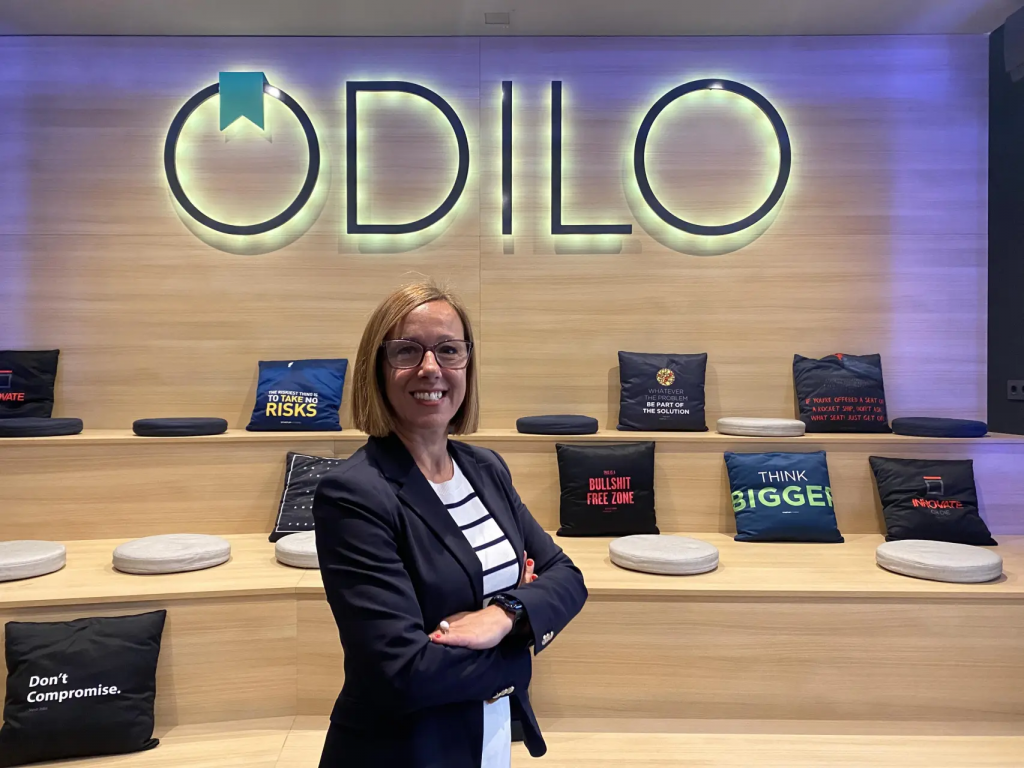
She is the vice president of ODILO, driving projects that bring education closer to vulnerable groups and promote equal opportunities, combining her teaching experience with strategic leadership in edtech.
Elena Peyró
She is the CEO and co-founder of Joinup, leading technological solutions that optimize business travel, reduce the carbon footprint, and promote efficient and responsible mobility.
Antía Míguez
She is the sustainability coordinator at Genesal Energy, leading the company’s environmental and decarbonization strategy, promoting responsible practices and energy efficiency.
Lucía Álvarez
She is the managing director of Odigo Iberia, driving innovation in AI and contact centers under criteria of sustainability, talent development, and inclusive work environments.
María Abolafio
She is the head of CSR at Edenred Spain, leading social and environmental impact initiatives, from carbon footprint reduction to volunteer programs and solidarity alliances.
Beatriz Cañizares Romero
She is the director of sustainability at ILUNION TextilCare, leading environmental management and operational efficiency projects that reduce the carbon footprint, optimize resources, and promote corporate sustainability.
Almudena Barona
She is the water business leader at Arup Spain, driving innovative solutions for sustainable water management, urban resilience, and ecosystem protection in infrastructure.
Paloma Martín
She is the CEO and co-founder of TRIBBU, driving carsharing to optimize journeys, reduce emissions, and transform urban mobility efficiently and responsibly.
Cecilia Bobo
She is the director of Experientia Live and ESG Manager, driving responsible events by measuring impacts, reducing the environmental footprint, and integrating inclusion, accessibility, and female leadership as strategic axes.
Irene de la Casa
She is the general director of Evercom, driving responsible and creative communication strategies, fostering inclusive cultures and the development of female talent.